Call / 07815 167247
Email [email protected]
Call / 07815 167247
Email [email protected]
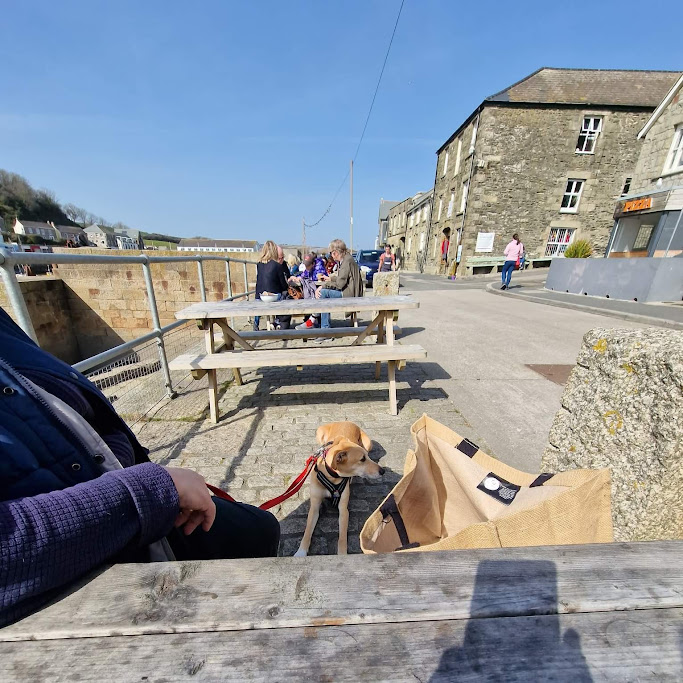
Holidays are exciting—for you. But what about your dog?
It’s easy to assume our dogs will slot into a holiday seamlessly. After all, they’re coming with us, right? But a new place, different routines, and unfamiliar experiences can throw even the most laid-back dog off balance.
The good news?
A little preparation goes a long way.
Some dogs adapt with ease. Others might find change more difficult. It’s worth asking yourself:
What does my dog already cope well with?
What tends to unsettle them?
Age, health, confidence levels, past experiences—they all play a role. If your dog is anxious around traffic, struggles in busy places, or has a history of being overwhelmed in new settings, these are things to consider in advance.
Your dog’s usual day-to-day rhythm might change dramatically on holiday—different walk times, different sleeping arrangements, maybe even staying in a place where the rules are a bit different.
Dogs don’t automatically generalise behaviours across environments. The calm lead walking and settling you get at home might disappear somewhere new. It helps to gently introduce a bit of flexibility before you go: try walking at a different time of day, or having your dog sleep in a new space.
It’s not just what your dog knows—it’s whether they can do it somewhere new. Think about practising core skills like recall, loose lead walking, and settling in a few unfamiliar places before you travel.
That might be a different park, a quiet café, or just a walk starting from somewhere new. The idea is to give your dog the chance to adapt—without the pressure of it being the big holiday.
It’s tempting to plan every day with activities, especially if you’re going somewhere exciting. But your dog needs rest too. The stimulation of a new environment can be tiring, and dogs benefit from having some predictable quiet time built into the day.
Bring familiar items—beds, blankets, a few chews—and try to keep at least part of your dog’s routine intact. Even a few minutes of stillness after a walk can go a long way.
If you’re planning to leave your dog—even briefly—during your holiday, don’t let the first time be in an unfamiliar place.
Practice beforehand. Try short absences at home, and build up slowly. And if your dog really can’t be left, make sure your holiday plans take that into account.
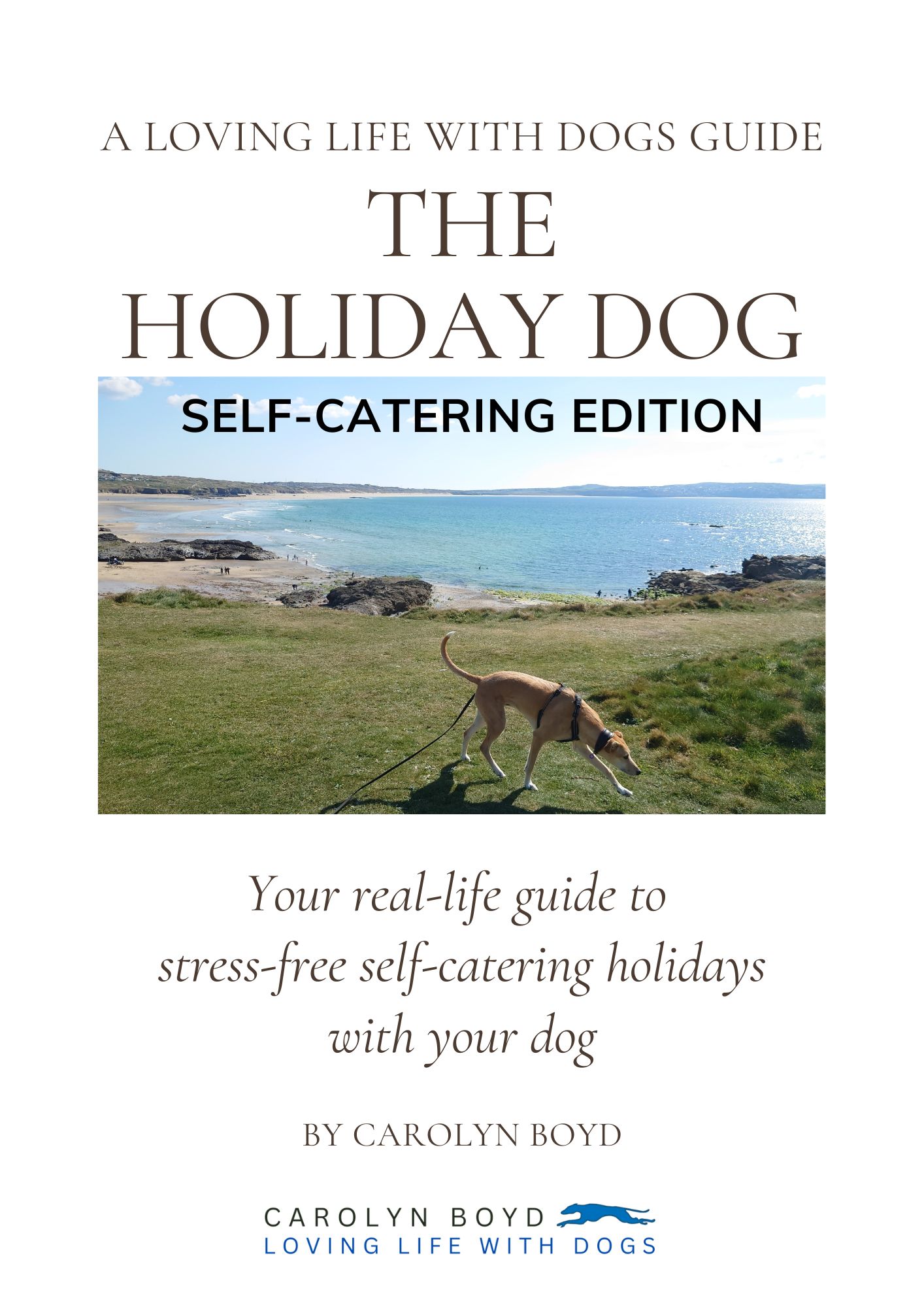
If you’re planning a trip and want more than just the basics, The Holiday Dog: Self-Catering Edition is for you.
It’s a downloadable guide designed to help you plan, prepare, and enjoy time away with your dog—without the overwhelm. Inside you’ll find:
Practical planning tips tailored to dog-friendly getaways
Advice on how to pick the best holiday for you, your family and your dog ... and what to avoid
A simple checklist to help you pack with confidence
Real-life strategies to ease the transition into a new place
It’s written for dog owners who want a smoother, calmer holiday—with their dog truly part of the picture.
You can get it here: THE HOLIDAY DOG
The Holiday Dog is part of my separate online learning platform, so you’ll be taken to a different website when you click through—but it’s still me behind it all!
Or message me directly if you’ve got questions. 🐾
🐾 🐾 🐾 🐾
If this blog has resonated with you, and you’d like some help with your dog but don’t know where to start
Take the Lead might be just what you need.
It’s a calm, thoughtful resource designed to help you press pause, clear your head, and make sense of what’s going on.
If you're looking for a way to move forward with more confidence and clarity, this is a great place to begin. It’s a practical, reflective tool you can use on your own—and a gentle introduction to the kind of approach I use to help clients make real progress.
You can head to my Loving Life With Dogs site to find out more:
👉 Take the Lead – A thinking tool for real-life training